I used to believe people obey authority because authority is usually right.
Then I started looking at history.
And history told a different story.
Again and again, ordinary people followed orders that seemed unreasonable.
Sometimes harmful.
Sometimes cruel.
Sometimes completely irrational.
The question that stayed with me was simple.
Why?
Why would intelligent people obey someone else’s instructions when those instructions clearly conflict with their own judgment?
At first, I thought fear was the answer.
And fear certainly plays a role.
But the deeper I looked, the more I realized obedience is often driven by something more subtle.
Trust.
From childhood, we are taught to trust authority.
Parents.
Teachers.
Doctors.
Experts.
Leaders.
For the most part, this makes sense.
No one can learn everything alone.
Society functions because people trust those with knowledge and responsibility.
The problem begins when trust becomes automatic.
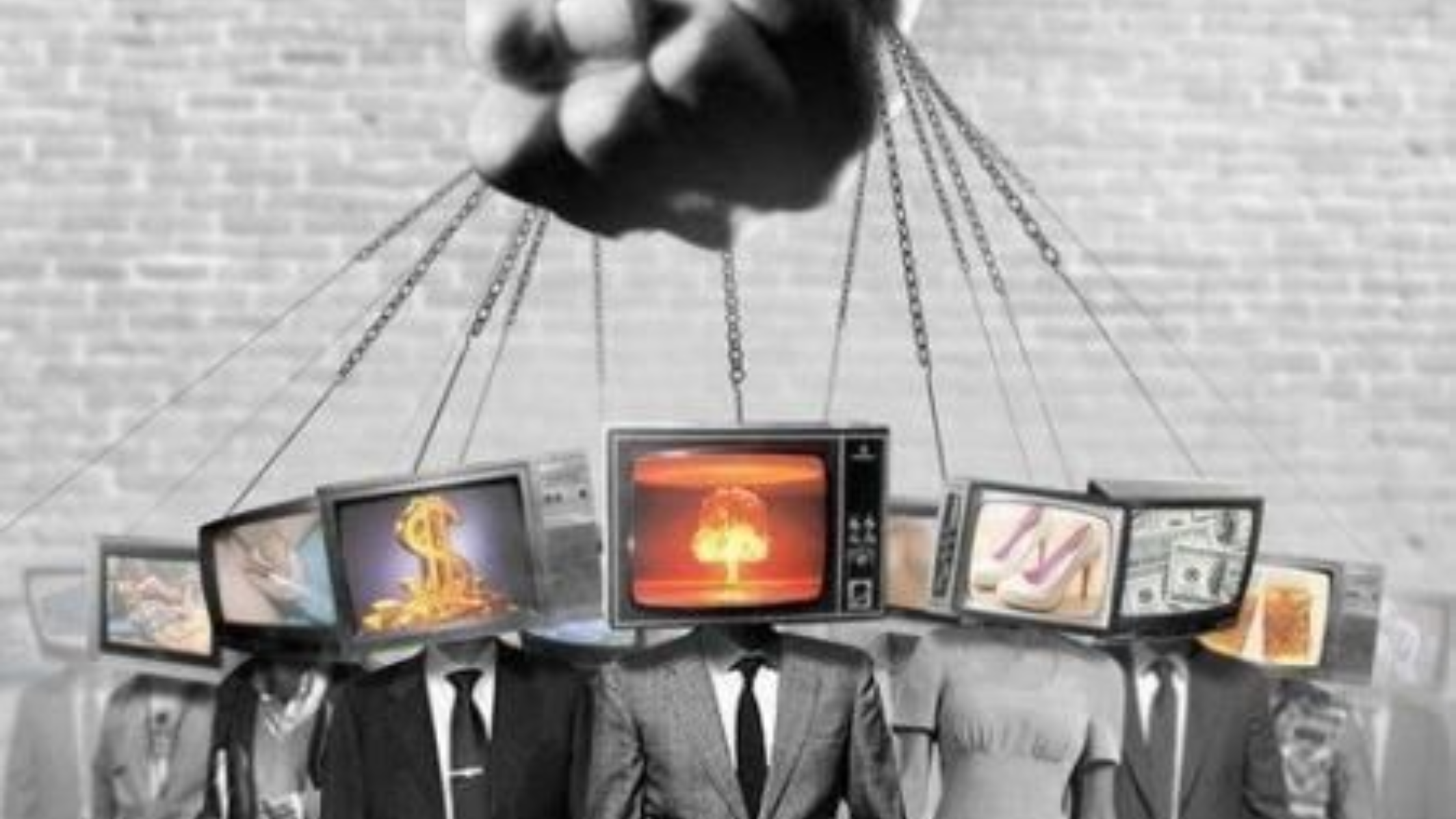
Because authority does not only influence what we do.
It influences how we think.
When someone appears knowledgeable, confident, or powerful, the brain often lowers its defenses.
Questions become fewer.
Doubts become quieter.
The authority figure starts carrying part of the mental burden for us.
And that feels surprisingly comfortable.
Making decisions is exhausting.
Thinking critically requires effort.
Following instructions is easier.
I think that is one reason authority is so powerful.
It reduces uncertainty.
People often obey not because they are convinced.
But because someone else appears certain.
And certainty has a strange effect on the human mind.
It feels reassuring.
Even when it is misplaced.
What fascinates me most is how quickly appearances can create authority.
A uniform.
A title.
A position.
A microphone.
A large office.
A confident voice.
These things influence perception more than most people realize.
The brain uses shortcuts.
Instead of evaluating every situation from scratch, it looks for signals.
Who seems important?
Who appears knowledgeable?
Who looks like they belong in charge?
Those signals save time.
But they can also create blind spots.
Because authority is often confused with expertise.
And expertise is often confused with correctness.
Yet those are not the same thing.
History is filled with respected authorities who were wrong.
Respected doctors.
Respected politicians.
Respected institutions.
Authority can increase credibility.
It cannot guarantee truth.
Another reason people obey authority is that responsibility becomes easier to escape.
When someone else gives the order, the decision no longer feels entirely ours.
The authority figure becomes psychologically responsible.
Or at least that is how the mind often interprets it.
This creates a dangerous illusion.
People begin thinking:
“I was just following instructions.”
“I didn’t make the decision.”
“I was doing what I was told.”
Responsibility feels lighter when it is shared.
Or transferred.
But reality does not always work that way.
The consequences remain.
Even when the decision came from someone else.
What makes authority especially powerful is that it often becomes tied to social approval.
Questioning authority can create conflict.
Disagreement can create discomfort.
Standing alone can create anxiety.
Most people prefer harmony.
Most people want acceptance.
And challenging authority often threatens both.
So silence becomes easier.
Compliance becomes safer.
Not because people are weak.
Because people are human.
We are social creatures.
We naturally avoid unnecessary confrontation.
Yet sometimes that instinct works against us.
Perhaps the most interesting thing about authority is that it does not always come from institutions.
It can come from celebrities.
Influencers.
Experts.
Public figures.
Anyone perceived as knowledgeable or important.
The same psychological mechanisms appear again and again.
The names change.
The power remains.
I think this is why authority deserves careful attention.
Not because authority is inherently bad.
Society needs leaders.
Teachers.
Professionals.
Experts.
Without them, cooperation becomes difficult.
The danger is not authority itself.
The danger is unquestioned authority.
The moment we stop asking questions, authority gains extraordinary power.
Not because authority changed.
Because our skepticism disappeared.
The uncomfortable truth is that obedience often feels responsible.
It feels reasonable.
It feels safe.
That is why it can be so difficult to recognize.
Most people imagine blind obedience as something dramatic.
Something obvious.
In reality, it often looks ordinary.
A small compromise.
A quiet agreement.
A decision not to question.
And those moments are where obedience becomes most interesting.
Not when people are forced.
But when they willingly hand over their judgment to someone else.
Perhaps that is the real lesson.
Authority influences us not because we lack intelligence.
But because trust, certainty, and belonging are powerful psychological forces.
For most of human history, they helped us survive.
The challenge is knowing when they are helping us think.
And when they are thinking for us.
Leave a Reply