
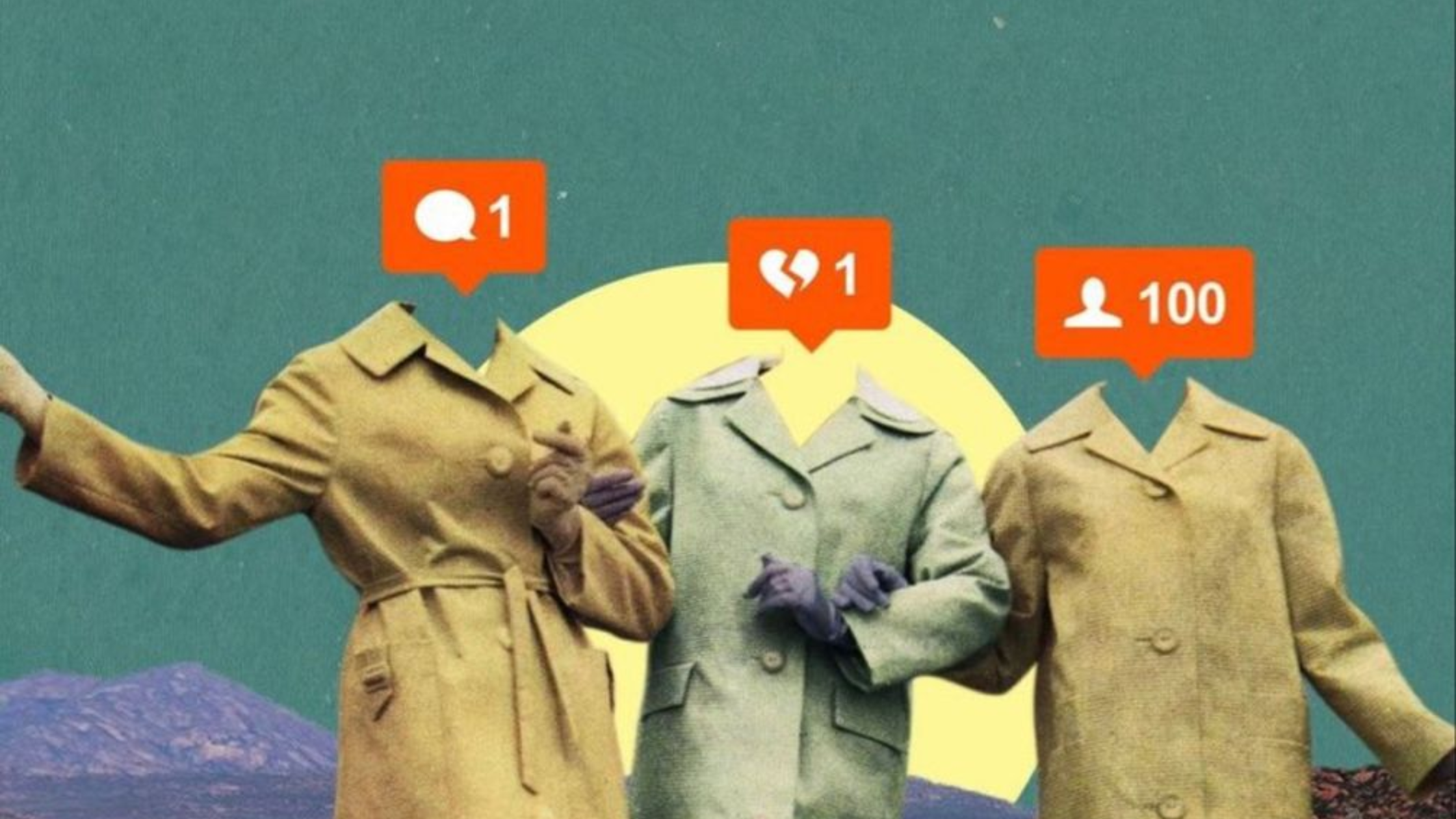
I used to believe first impressions were shallow.
A quick judgment.
An unreliable guess.
Something intelligent people should ignore.
Then I noticed something unsettling.
Even when I knew first impressions could be wrong, they still influenced me.
And not just me.
Everyone around me.
A person walks into a room.
Within seconds, people have already formed opinions.
Trustworthy or suspicious.
Confident or insecure.
Friendly or distant.
Competent or incapable.
The strange part is that almost none of these conclusions come from actual knowledge.
They come from fragments.
A facial expression.
A tone of voice.
A posture.
A smile.
A few words.
And yet those fragments can shape relationships for months or even years.
That fascinated me.
How could the mind reach conclusions so quickly?
The answer, I think, lies deep within human history.
For most of human existence, people didn’t have the luxury of spending weeks evaluating strangers.
Decisions often had to be made immediately.
Friend or threat.
Safe or dangerous.
Trustworthy or unpredictable.
The brain evolved to make rapid assessments because hesitation could be costly.
The modern world changed.
The brain did not.
We still carry those ancient instincts.
The difference is that now we use them in boardrooms, classrooms, social gatherings, interviews, and online conversations.
What fascinates me most is how little information the brain actually needs.
A single detail can influence an entire perception.
Someone speaks confidently.
We assume they’re competent.
Someone seems nervous.
We assume they’re uncertain.
Someone smiles warmly.
We assume they’re kind.
The mind takes a small observation and builds a much larger story around it.
And once that story exists, something interesting happens.
We start looking for evidence that supports it.
Not because we’re dishonest.
Because the brain likes consistency.
If we’ve decided someone is intelligent, we notice their intelligent moments.
If we’ve decided someone is arrogant, we notice their arrogant moments.
Gradually, the first impression begins reinforcing itself.
The original judgment gains strength.
And the person becomes trapped inside a story we created.
I think this is why first impressions can be difficult to change.
The challenge is not changing someone’s behavior.
The challenge is changing someone else’s narrative.
And narratives are surprisingly stubborn.
Once the mind creates a framework, it prefers evidence that confirms it.
Contradictions become easier to overlook.
The impression survives.
Sometimes long after reality has changed.
What makes first impressions especially interesting is that confidence often plays an outsized role.
People tend to trust certainty.
A confident person appears capable.
A decisive person appears knowledgeable.
Even when neither assumption is true.
The appearance of confidence can influence perception more than actual competence.
And because confidence is immediately visible, the brain gives it enormous weight.
But first impressions aren’t only about the person being judged.
They are also about the person doing the judging.
Our experiences shape what we notice.
Our fears shape what we notice.
Our expectations shape what we notice.
Two people can meet the same individual and walk away with completely different impressions.
Not because the individual changed.
Because the observers brought different stories into the encounter.
In many ways, first impressions reveal as much about us as they do about others.
Perhaps that is why they are so fascinating.
They feel objective.
But they are often deeply personal.
A reflection of our assumptions, preferences, memories, and unconscious biases.
The uncomfortable truth is that first impressions are neither entirely accurate nor entirely useless.
Sometimes they protect us.
Sometimes they mislead us.
Sometimes they reveal genuine patterns.
Sometimes they reveal our own prejudices.
The problem begins when we treat them as certainty.
When a first impression becomes a final judgment.
When curiosity disappears.
When the story becomes fixed.
Because people are more complicated than the first few seconds reveal.
Much more complicated.
And yet those first few seconds still matter.
Not because they tell us the whole truth.
But because they often determine whether we continue searching for it.
Maybe that is the real psychology of first impressions.
They are not conclusions.
They are beginnings.
The danger is forgetting the difference.
Leave a Reply